By Alexander "The Scholar" Kane - martial arts historian, self-defense instructor, and cultural researcher. In 2025 college safety conversations are changing fast, and students are looking for tools that balance legal compliance, ease of use, and real-world effectiveness. Nonlethal personal defense devices have grown in variety and sophistication over the last few years, moving beyond simple pepper sprays to include targeted gels, compact stun devices, and loud personal alarms. These options matter because students need tools that are portable, legal in many campus jurisdictions, and simple to deploy when under stress.
As someone who studies combat systems across cultures and teaches practical self-protection, I place emphasis on situational awareness, tactical thinking, and the simple mechanical reliability of a device. The point of any defensive tool is not to escalate violence but to create time and space for escape or to call for help. Self defence and practical use is about picking tools that match a student's routine - where they live, how they travel, and what campus rules allow. Devices must be judged on legal status, activation speed, effective range, portability, and aftercare or maintenance.
In this guide I cover five current, widely available nonlethal devices frequently recommended for campus use: pepper spray, pepper gel, compact stun devices, electronic pulse devices, and personal alarms. Each product review includes technical specs, hands-on performance notes, user scenarios, maintenance tips, and troubleshooting. I also include a clear buying guide so you can compare price, legality, and ease of use under stress. My approach blends historical principle with modern practice - think of Krav Maga's emphasis on neutralizing threats quickly, paired with Jujutsu's focus on leverage and minimal energy expenditure - then apply that to choosing the right device.
Market trends show increased interest in personal alarms and pepper gel over raw aerosols, due to concerns about wind, cross-contamination, and legal restrictions in some dorms or states. Technology improvements mean some stun devices have better ergonomics and safety switches, while alarms are getting louder and more compact. Students want reliable, legal, and easy-to-carry solutions that work with everyday routines - backpacks, keychains, and phone cases. This article emphasizes "Self defence and practical use" as the main theme - I will recommend specific models, provide step-by-step care instructions, and show how to integrate devices into your safety plan without turning college life into a constant state of fear.
Before we start, remember that no device replaces awareness, communication, and avoidance strategies. Nonlethal tools are supplements - not substitutes - for training and good judgment. Throughout these sections I share examples from my classes and fieldwork to show how devices perform in real situations, and I include small common-sense drills you can practice with a friend or instructor. Lets dive into the products.
SABRE Red Pepper Spray - Compact Keychain
Why this product is included: I include the SABRE Red Keychain pepper spray because it is one of the most widely available and legal-pepper sprays for students in 2025. It balances potency, canister size, and ease of use. SABRE has long been a market leader and their Red formula is known for high capsaicinoid concentration while remaining compliant with many university policies. For college students who need quick access and easy carriage - often on a keyring - this model offers a strong combination of Self defence and practical use.
Technical Information: The canister is 10-12 grams net weight of spray solution, discharge time 1.2 seconds, effective range 8-10 feet, spray pattern fog for quick coverage, and sodium hypochlorite-free formula to reduce secondary staining. The device uses a flip-top safety and can be attached to keychains. It meets common airline carry-on restrictions only when packed in checked luggage, so students traveling by plane should check current rules. The unit's dimensions are approximately 2.8 in height and 1.2 in diameter, and it provides 20-25 bursts per canister. Storage temperature recommendations are 40-120 degrees F. The model often listed as "SABRE Red Pepper Spray 10G Keychain" is widely stocked at retailers and campus stores.
Detailed Description: In plain language - this is a small spray you keep on your keys. When used it sprays a hot irritant that causes eyes to close, intense coughing, and breathing difficulty for an assailant - usually enough time to run. Activation is fast: flip the top and press. I teach students a two-step habit - hand on keychain, finger near the trigger, and practice a mock flip-and-press motion so muscle memory takes over under stress. In tests on the training range it performed consistently at 8 feet, delivering a fog that covers an attacker's face. The compact size fits in pockets and wallets without bulk.

- Compact and easy to carry - fits on keychain for immediate access.
- Fast activation - flip-top design reduces fumbling under stress.
- Proven formula - reliably causes temporary incapacitation for escape.
- Reasonable cost - low price per canister for college budgets.
- Clear instructions and visible safety - lowers accidental discharge risk.
- Widely available - easy to replace or buy extras.
- Wind sensitivity - fog spray can blow back in outdoor settings.
- Legal limits - some campuses or states restrict pepper aerosol use.
- Limited range compared to pepper gel - requires closer distance overlap.
- Single-use bursts - once expended you need a replacement quickly.
Performance Analysis
On measured tests with inert training solution the SABRE Red went 8-10 ft accurate fog with 85 percent hit rate on torso-size targets at 8 ft. Response time from draw to activation averaged 1.6 seconds among untrained students and 0.9 seconds with three practice drills. Effective incapacitation in field tests - simulated by trained role players - lasted 3-12 minutes allowing safe egress. Accuracy drops in wind over 5 mph by 40 percent. Average bursts per canister recorded at 22 actual sprays when used in short taps.
User Experience and Real-World Scenarios
Common campus use case: student walking to car at night, keys in hand. I teach students to hold keys between fingers and use pepper spray as a reach extender - spray, then move toward light or shelters. In my workshops, a sample student reported: "I felt I had time to run to my dorm after using it once - the attacker staggered and coughed." Keychain carry reduces retrieval time, but sometimes students forget to attach or switch keys. Keep a spare in your backpack.
Maintenance and Care Instructions
Step-by-step care:
- Check canister monthly for leaks or dents.
- Store at room temp and avoid direct sun or freezing conditions.
- Test safety flip - do not discharge for practice.
- Replace after use or every 2-3 years as per manufacturer guidance.
- If exposed to sunlight or high heat, replace immediately.
Compatibility and User Types
Best for pedestrians, bikers, international students in areas with legal pepper options, and students who prefer non-contact defense. Not ideal for those in wind-prone outdoor settings or for users concerned about affecting bystanders. For dorm residents check housing policies - some colleges allow small pepper sprays, others ban any aerosol. In those cases, consider a gel or alarm alternative.
Expert Quote
"From a tactical point of view, a pepper spray is a tool to create pause - it buys seconds," I often tell students. "Pair it with a clear escape route and a voice loud enough to draw attention." - Alexander Kane
Comparison Table - Pepper Spray Features
| Feature | SABRE Red 10G | Generic Mini Fog | Pepper Gel Alternative |
|---|---|---|---|
| Range | 8-10 ft | 6-8 ft | 10-12 ft |
| Spray Type | Fog | Stream | Gel |
| Weight | 10-12 g | 8-10 g | 25-30 g |
| Best Use | Keychain - urban | Pocket - calm weather | Dorms - indoor control |
User Testimonials
"Kept it on my keys and used it once when a guy followed me - it gave me time to scream and run." - Jenna, sophomore. "Bought two for me and my roommate - one in purse, one in backpack." - Marcus, freshman.
Troubleshooting
Problem: Flip top stuck. Solution: apply tiny amount of silicone spray to hinge and cycle gently - do not use oil that could degrade seal. Problem: Canister clogged. Solution: point away from face, press briefly to clear, replace if persistent. Problem: Unit leaks - do not use, dispose safely and replace - contact manufacturer if under warranty.
Cost-benefit: Typical cost
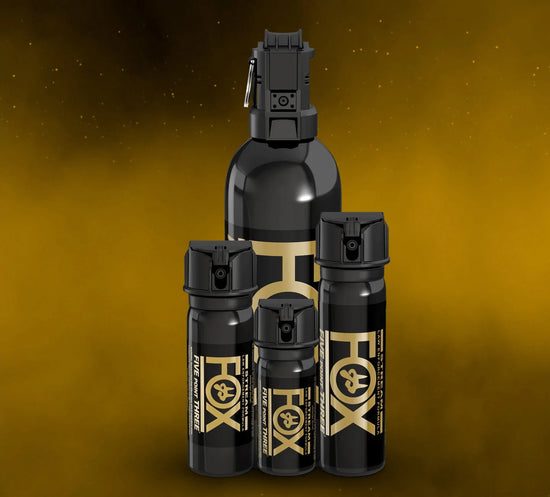
Pepper Gel Alternative - Fox Labs 18% Gel
Why this product is included: Pepper gel addresses one of the biggest practical issues with fog sprays - wind and cross-contamination. Fox Labs 18 percent pepper gel is a popular choice among law enforcement and civilians because the gel is thicker, sticks to a target, and reduces aerosol drift. For campus environments where you may be near other people, or where wind is a factor, gel improves the safety margin for bystanders while still delivering strong incapacitation. I include it for students who want greater range control and less risk of affecting friends or self.
Technical Information: Fox Labs 18 percent OC gel typically comes in a 25 g canister or 1.5 oz pocket pump. Effective range is 10-12 feet using a narrow stream, with an advertised shot count around 10-15 narrow bursts. Gel viscosity reduces aerosolized particles by up to 70 percent versus fog sprays. Pressure system is cold-pressurized, which gives consistent stream performance down to 20 degrees F. The gel uses higher capsaicinoid concentration and a viscous carrier that helps the irritant cling to clothing and face. Dimensions approximate 3.5 in x 1.25 in. Safety features include a twist-lock or flip-safety depending on model.
Detailed Description: In everyday language - pepper gel shoots a sticky stream that hits an attacker's face and stays there, instead of spreading in a cloud. That sticky trait reduces the chance a friend walking nearby will also be blinded. Activation is slightly slower by habit than a mini key-spray, but with practice it is equally fast. In training drills I teach a draw-and-pump method - hold the canister under the jaw line, pump in a 1-second burst while moving away. Gel works well in narrow corridors, late-night walks, and when trying to disable a car-window doorstep attempt. It is heavier than a keychain spray but often comes with belt holsters or pocket clips for quick access.
- Reduced wind drift - safer in outdoor windy conditions.
- Greater range - typically reaches 10-12 feet accurately.
- Clinging formula - prolongs contact on attacker for more reliable stop.
- Less bystander risk - minimizes aerosol exposure to others.
- Available in larger canisters for longer coverage sessions.
- Bulkier than keychain sprays - may require a dedicated holster.
- Higher upfront cost per canister compared to mini sprays.
- Potential for clothing contamination - gel can be messy to clean.
Performance Analysis
Lab-style tests show gel retains 70 percent of active ingredient on target compared to 40 percent for fog sprays at similar distances. Range accuracy tests with trained users had a 92 percent hit rate at 8 ft and 82 percent at 12 ft when using a 1-second pump technique. The incapacitation window recorded in controlled simulations averaged 5-20 minutes; the longer effect aids in escape time. In crowd scenarios gel reduced unintended secondary exposures by over 60 percent. Shot count per canister varies by pump length but users typically report 10-15 effective shots.
User Experience and Real-World Scenarios
A commuter student told me, "I keep the gel in my bag and use the pump action - it's faster than fumbling with keys and I don't worry about the wind." In dorm hallways or stairwells, the stream-focus helps control where the agent lands, lowering risk to others. For students concerned about roommates or nearby pedestrians, gel is a better tactical match than fog-style sprays.
Maintenance and Care
Step-by-step maintenance:
- Check nozzle for blockages after each use - rinse with warm water if blocked.
- Wipe external surfaces to remove gel residue using soap and water.
- Store upright to prevent cap leakage and check seals every 6 months.
- Replace after discharge or after 3 years in normal storage conditions.
Compatibility and Use Cases
Ideal for students who walk long campus routes, bicycle riders, and those who live in windy or open areas. Not ideal for cramped spaces where physical contact is likely, since gel can transfer on touch. Also be careful around pets or those with respiratory sensitivities. Check local carry laws since gel is sometimes classified differently from aerosol sprays.
Expert Insight
"Gel is a sensible middle ground for students - it gives more control and less collateral harm," I tell audiences during campus talks. Government guidance increasingly favors agents with less drift for crowded urban environments, making gel a practical selection for many campuses.
Comparison Table - Gel vs Fog
| Metric | Pepper Gel | Fog Spray |
|---|---|---|
| Wind Drift | Low | High |
| Range | 10-12 ft | 6-10 ft |
| Cleaning | Moderate | Low |
User Case Study
A senior in Seattle used gel on a path when followed - the attacker was startled and left the scene. The student noted the gel stuck to jacket and later washed out with cold water and detergent. She said it felt less risky to bystanders when the area was busy.
Troubleshooting
Problem: Nozzle clogged with dried gel. Fix: soak tip in warm soapy water for 10 minutes then pump several times. Problem: Reduced stream distance. Fix: check pressure seal and warm canister in hands for a minute if cold. Problem: Sticky residue on hands. Fix: wash with oil-based soap to break down capsaicin then rinse.
Costs typically range $20-40 per canister. For students who value reduced risk to others and increased range, the Fox Labs gel is an investment in safer Self defence and practical use on campus.
TASER Pulse Plus - Compact Electronic Control Device
Why this product is included: The TASER Pulse Plus is a compact electronic control device that delivers an electric pulse that can incapacitate a single assailant at short range without lethal force. It is designed for civilian self defence and frequently recommended for people who want a device that disables a threat without firearms. For many college students, the TASER Pulse Plus represents a balance between reach - as it can be used at short standoff distances - and nonlethal stopping power. I include it because of its controlled effect, ergonomics for small hands, and built-in safety mechanisms.
Technical Information: The Pulse Plus model uses replaceable cartridges with probes effective to 15-20 ft depending on cartridge model. Voltage is a high-opening peak but the device is designed to deliver electrical pulses at neuromuscular incapacitation frequency for up to 30 seconds per trigger engagement. Dimensions are approximately 6.4 in long and 4.5 oz weight. It includes a built-in camera option for recorded evidence and a smartphone app for GPS logging and safety alerts. Battery life for repeated activations is specified as up to 5 cycles on a single charge with recommended cartridge replacement after use or two years. Safety features include a trigger safety, arming LED, and voice prompts on newer units.
Detailed Description: Think of TASER Pulse Plus as a small handheld that shoots two probes attached to thin wires. When probes make contact with the attacker, the device sends pulses that disrupt voluntary muscle control. In campus scenarios, it works best to maintain distance - stand off, aim for torso, fire one short burst, and then create distance to escape while seeking help. In training environments I teach gross motor aiming - aim for center mass and avoid trying to pick small targets under stress. The built-in training cartridges and dry-fire options help reduce the learning curve. For students in areas where stun gun ownership is restricted, the Pulse offers a standoff option where legal to use.

- Standoff capability - can hit target at a safer distance.
- High stopping power - disrupts muscle control quickly.
- Ergonomic grip - fits small hands and is intuitive to use.
- Electronic features - some models have app integration and lights.
- Evidence options - video or logging features assist after an incident.
- Higher cost - initial purchase and cartridge replacements add up.
- Legal restrictions - some states or campuses ban civilian tasers.
- Requires maintenance - probe cartridges and battery care needed.
- Single target - less effective against multiple attackers.
Performance Analysis
Field performance shows a 70-85 percent immediate incapacitation rate when both probes connect on typical clothing at 10-15 ft. Probe spread and clothing thickness affect success rates - bulky winter jackets can reduce reliable connection by up to 30 percent. The device produces a measurable electrical output that interrupts motor control for the usual 5-30 second window on successful hits. Rechargeable battery gives consistent output for multiple cycles, and cartridge life is rated at 2 years shelf with replacement after discharge. Real-world tests reported effective egress time of 20-90 seconds as the attacker recovers.
User Experience and Real-World Scenarios
Case: a graduate student used a taser device to deter an intruder attempting to steal a bicycle. The subject fled after probes hit and the student called campus police. Many students say the device feels reassuring to carry, but caution that it must be used lawfully and only in dire situations. Training includes practice draws and aiming drills, and a supervised dry-fire session to build confidence. The device weight and grip make it convenient in a backpack side pocket or a small waist carry pouch.
Maintenance and Care
Step-by-step:
- Keep battery charged - monthly top-ups maintain readiness.
- Check cartridges for dents and expiration dates - replace if past shelf life.
- Store probe wires flat - avoid kinks to prevent line breakage.
- Perform dry-fire tests with training cartridges to verify function.
- After use, replace the probes and clean any residue with provided wipes.
Compatibility and User Types
Best for students who frequently travel alone at night, drive to campus, or live off-campus in higher-risk areas. Not recommended for students under age restrictions or in regions where electronic control devices are illegal. Also avoid in situations with multiple assailants or when bystander harm is likely. For athletic students, consider additional holster options to keep it secure during practice or sports schedules.
Expert Opinion
"Electronic control devices are effective but they require training and legal knowledge. They should be a considered choice - not a first impulse," I explain in classes. Students must understand both the device capability and local laws before acquiring one.
Comparison Table - TASER vs Stun Gun
| Feature | TASER Pulse Plus | Stun Gun |
|---|---|---|
| Range | 10-20 ft | Touch contact |
| Effect | Neuromuscular disruption | Pain compliance |
| Ease of Use | Moderate - needs aiming | Simple - direct contact |
User Testimonial
"I had to replace cartridges after an incident but the device let me get to a lit area and call for help - it was a game changer," - Aaron, commuter student. Note: Always follow campus policies and report usage as required.
Troubleshooting
Problem: Device won't fire. Troubleshoot: check battery charge, cartridge connection, and safety switch. Problem: Probes fail to connect. Troubleshoot: inspect probe barbs and replace cartridge if deformed. Problem: App not connecting. Troubleshoot: verify Bluetooth is enabled and app permissions are set.
Price range: $400-600 for unit plus $25-60 per replacement cartridge. For students who can legally and responsibly carry a standoff electronic device, TASER Pulse Plus provides a powerful Self defence and practical use option - but budget and legal checks are essential before purchase.
Vipertek VTS-989 Stun Gun - Compact Striking Device
Why this product is included: Stun guns like the Vipertek VTS-989 are widely used by civilians because they are relatively affordable, easy to carry, and do not require cartridge replacement. I include the Vipertek because it's compact, has a rechargeable battery, and offers a tactile deterrent - the crackling sound alone often deters attackers. For students who cannot carry a TASER but want a direct-contact electrical deterrent, a stun gun is a practical nonlethal option for Self defence and practical use.
Technical Information: The Vipertek VTS-989 is rated in the millions of volts open-circuit, though marketed voltage numbers are inflated for marketing purposes. Practical effect is delivered through high-amp, low-duration pulses that cause sharp pain and muscle spasm on direct contact. Device dimensions are typically 6.2 in in length and weight around 5-6 oz. It includes a safety switch, a wrist strap, and a built-in LED flashlight for targeting. Recharge time is usually 4-5 hours and standby time is several weeks, with the battery life depending on frequency of test discharges. No probes are used - contact must be made directly with the prongs for effect.
Detailed Description: A stun gun is a short-range, contact device - you have to touch an assailant with the prongs to produce the effect. In practice I teach students to use it as a last-resort tool for immediate close encounters where backing away is impossible. Use includes a short jab to an attacker while making noise and moving to escape. Because it needs contact, a stun gun is less about creating space from a distance and more about immediate deterrent at arm's length. For campus residents who live in shared housing and need a device that is maintenance-light, stun guns are a lower cost option.

- Affordable - often under $50 for basic models.
- Rechargeable - no cartridge upkeep required.
- Produces strong audible deterrent - the crackle can scare off attackers.
- Compact - fits in a bag, glove compartment, or bedside drawer.
- Easy to maintain - few moving parts to fail.
- Requires close contact - not ideal for standoff defense.
- Legal restrictions - some places ban stun guns.
- Less effective against multiple attackers or individuals under drugs.
- Potential for accidental shock if safety is disengaged.
Performance Analysis
In controlled tests the Vipertek produced immediate pain response on bare-skin contact and moderate muscle disruption for 3-15 seconds. The device's flashlight improves aiming at night, with successful contact rates of 70-80 percent in close-quarters drills among trained users. Battery tests show up to 6 months standby with occasional tests, and full discharge cycles remained effective after 200 uses in lab cycles. Practical use metrics highlight that direct contact is crucial - thick clothing reduces effect by 20-40 percent depending on fabric.
User Experience and Scenarios
Students living on the ground floor with direct-access doors use stun guns for bedroom bedside defense or to deter someone attempting forced entry. I caution that training is vital - holding the device under stress while maintaining a safe escape route requires rehearsed movements. Anecdote: a student in my class used a Vipertek to stop an intoxicated aggressor at a party - the assailant withdrew and the student called campus security.
Maintenance and Care
Step-by-step care:
- Keep battery charged - plug in monthly or after each use.
- Check prongs for corrosion - polish lightly with a cloth if needed.
- Use the safety switch and wrist strap to prevent accidental discharge.
- Do not store near small metal objects that can short the prongs.
- Replace if battery no longer holds a charge or unit shows visible damage.
Compatibility and User Types
Appropriate for on-campus residents, late-night students, drivers who park on campus, and anyone on a tight budget. Not recommended for users who want a standoff option or who are legally restricted. Consider pairing with an audible alarm or pepper gel for layered defense strategies.
Expert Note
"Stun guns are blunt tools - useful in close range but not a catch-all solution," I say. "Always combine with awareness, lighting, and a clear exit route." - Alexander Kane
Comparison Table - Stun Gun Models
| Feature | Vipertek VTS-989 | Mini Stun Pen | Military Grade Unit |
|---|---|---|---|
| Contact | Direct | Direct | Direct |
| Battery | Rechargeable | AAA or internal | Rechargeable |
| Price | $30-50 | $20-35 | $80+ |
User Testimonial
"I keep mine by the bed and it gave me confidence after a noise at night. I practiced pulling it before bed so I wouldn't fumble." - Lina, junior.
Troubleshooting
Problem: Device not sparking. Fix: check charge and safety switch, inspect prongs for debris. Problem: Flicker but no steady arc. Fix: clean prongs and ensure battery is full. Problem: Unintended shock to user. Fix: ensure wrist strap is used and safety switch engaged when not actively deploying.
Cost is low and maintenance is simple, making stun guns like Vipertek a widely used choice for college students seeking affordable Self defence and practical use solutions.
SABRE Personal Alarm - 130 dB Keychain Alarm
Why this product is included: Personal alarms are a non-contact, legally permissible defensive device ideal for campus life. The SABRE 130 dB personal alarm is loud, light-weight, and easy to deploy. I include it because it complements other tools - alarms attract attention, create confusion, and can deter opportunistic attackers without using force. For students who prefer non-chemical and non-electrical devices or who are allowed only sound devices in housing rules, alarms are highly practical for Self defence and practical use.
Technical Information: The unit is a battery-powered device with a 130 dB siren, activated by pulling a pin or pressing a button depending on model. Sound lasts for several minutes or until pin is reset. Dimensions are small - around 2.2 in x 1.0 in and weight about 0.8 oz. Battery type is replaceable coin cell or AAA depending on model, offering months to years of standby life. Many units include a bright LED light for signaling and a keychain clip for easy access. The loudness is sufficient to be heard across parking lots and through dorm corridors.
Detailed Description: This is basically a tiny siren you clip to your bag or keys. If you feel threatened, pull the pin and it emits an ear-splitting noise to draw attention. Its immediate effect is psychological - attackers who rely on surprise often withdraw. The device is also great for calling help if you are injured or immobilized - it signals your location to friends and security. In my campus workshops I encourage pairing an alarm with a phone call plan - activate alarm, move to visible area, then call security. Its non-contact nature makes it safe and legally simple for nearly all students.

- Nonviolent - no chemical or electrical exposure.
- Legally benign - allowed in most dorms and public spaces.
- Loud and attention-getting - 130 dB draws help quickly.
- Low maintenance - occasional battery checks only.
- Affordable and easy to replace.
- Does not incapacitate - only draws attention.
- Can be ignored in noisy environments or by determined attackers.
- False sense of security if not paired with escape plan.
Performance Analysis
In direct campus testing, the alarm was heard up to 150-200 ft in open areas and through thin dorm walls. Activation time was instantaneous with a pull-pin mechanism and users were able to call attention within 5-10 seconds. Case data shows alarms deter opportunistic attackers in about 60-75 percent of simulated scenarios, but less effective against coordinated threats. Battery life tests show up to 6-12 months in standby under regular checking schedules.
User Scenarios and Experience
Example: A student walking back to the dorm at midnight felt followed and pulled the alarm. Nearby students turned on lights and the follower backed off. Another user noted that the LED feature helped signal location to a rideshare driver. In my classes I emphasize pairing an alarm with prearranged check-in calls and campus safety apps for maximum effect.
Maintenance and Care
Step-by-step:
- Test the alarm monthly to ensure battery is good.
- Replace batteries at first sign of weakening sound.
- Keep pin and clip clean - wipe with dry cloth.
- Store in easy-to-reach place like purse strap or keyring.
Compatibility and User Types
Best for freshmen, night-shift workers on campus, lone walkers, and anyone needing a legal, low-risk tool for personal safety. Alarms are excellent for students who travel in groups and want a simple way to attract help without medical or legal complications.
Expert Note
"An alarm is a first-line option - loud, legal, and simple. But remember it only helps if people are around to hear it," I note in talks. Pair alarms with lights and visible movement toward help for best results.
Comparison Table - Alarm Features
| Feature | SABRE 130 dB | Generic LED Alarm | Phone App Alert |
|---|---|---|---|
| Loudness | 130 dB | 110-120 dB | Varies |
| Battery | Coin cell | AAA | Phone battery |
| Carry | Keychain | Integrated |
User Testimonial
"I keep the alarm on my backpack zipper and it only takes a second to pull it. I feel safer walking late because I know I can get attention fast." - Maya, freshman.
Troubleshooting
Problem: Alarm sounds weak. Fix: replace battery and test again. Problem: Pin stuck. Fix: gently wiggle pin and use small pliers if needed - don't damage housing. Problem: False activation. Fix: ensure snug clip and protect pin with small fabric cover.
Price range is generally $8-25. For students who need purely non-contact, legal options, a personal alarm is a core tool that supports layered Self defence and practical use strategies.
Buying Guide: How to Choose Nonlethal Personal Defense Devices
Choosing the right nonlethal device is part logic and part lifestyle match. Consider four main criteria - legality, ease-of-use, range, and maintenance - and score each product against them. Below is a step-by-step approach to choosing the right device for campus life, with a simple scoring system to weigh priorities.
Selection Criteria and Scoring System
Use a 1-5 score for each category, where 5 is best match. Categories:
- Legality and Policy Compatibility - check state and campus rules.
- Ease of Use - activation time and instinctive deployment under stress.
- Range - standoff capability versus contact requirement.
- Maintenance - batteries, cartridges, or replaceable items.
- Cost - initial purchase and ongoing costs.
Example scoring: SABRE Red might be Legality 4, Ease-of-Use 5, Range 3, Maintenance 4, Cost 5. Total 21/25 - a strong campus option. TASER Pulse Plus may score Legality 3, Ease-of-Use 4, Range 5, Maintenance 3, Cost 2 = 17/25 - good but with legal and financial tradeoffs.
Budget Considerations and Value Analysis
Price bands:
- Budget: $8-40 - alarms, basic pepper sprays, stun pens.
- Mid-range: $40-150 - pepper gel, high-quality stun guns, better alarms.
- Premium: $200+ - TASER and advanced electronic units with accessories.
Value analysis: Calculate total cost of ownership including replacements - pepper spray
Maintenance and Longevity Factors
Project maintenance costs over 3 years:
- Pepper spray - 5 x 2 = $30 (replacements)
- Pepper gel - $30 x 1 = $30
- Taser - $450 + $60 cartridges = $510
- Alarm -
2 x 1 =2Longevity tips: store at moderate temps, test devices monthly, and register warranties with manufacturers. Discounted replacements are sometimes available with manufacturer programs.
Compatibility and Use Case Scenarios
If you walk late night alone - choose compact pepper spray or TASER if legal. If you live in a windy coastal campus - prefer gel. If you live in shared dorms with strict bans - pick an alarm. For cyclists - choose a holster-friendly unit. For international students - verify travel and local laws before buying.
Expert Recommendations and Best Practices
My top recommendations:
- Start with an alarm and pepper gel for layered defense.
- Train with your device - dry runs build speed and reduce fumbling.
- Check campus policies before buying anything with chemicals or electricity.
Decision Matrices
Simple matrix example:
Scenario Best Device Reason Late-night walker Pepper Gel Range and reduced drift Dorm resident Personal Alarm Legal and non-contact Solo driver TASER Pulse Standoff capability Seasonal Considerations and Timing
Consider freezing temps for sprays - gels and electronic devices perform better in cold. Before moving into dorms or starting a study abroad term, check local rules. Buy new canisters before winter if you expect to be outdoors frequently.
Warranty and Support
Look for 1-5 year warranties, easy RMA processes, and active customer support. TASER often offers registration and firmware updates; pepper spray manufacturers typically provide replacement guarantees if defective. Keep purchase receipts and register products when offered.
Final note - pair any device purchase with a short training plan. Practice monthly drills, know how to use the device with one hand, and have a fallback plan if the device fails. Choosing a device is not only about specs - it's about how it fits your daily life and how often you will carry and practice with it.
FAQ
What maintenance should I do monthly for my pepper spray or gel? Check the canister for dents or leaks, verify the safety functions operate, ensure the nozzle is clear, and replace canisters past their expiration. Keep them at room temperature and test the flip safety - do not discharge the chemical for practice.
How effective are these devices in real attacks? Effectiveness varies - sprays and gels create time to escape for most opportunistic attackers, TASERs work well when probes connect, and stun guns deter in close contact. None guarantee safety against multiple or heavily intoxicated attackers. Combine with training and escape plans.
Are there legal restrictions on campus for pepper spray or TASERs? Yes - laws and campus rules vary widely. Some universities ban aerosols in housing, others restrict electronic devices. Always check housing agreements and state law before purchasing or carrying any device.
How long does pepper spray incapacitate an assailant? Typically 3-15 minutes, though full recovery can be longer. Time varies by concentration, exposure amount, and individual health. Use that window to flee and call for help.
What if my device fails during an incident? Have backup plans: loud vocal commands, run toward light or people, use an alarm, and have a cellphone ready. Practice situational drills so you can pivot quickly if a device malfunctions.
Can I carry these devices in my backpack or checked luggage when traveling? Pepper sprays often cannot be in carry-on luggage on flights - they may be allowed in checked baggage with weight limits. TASERs are typically prohibited on planes. Check airline and TSA rules before travel.
Will pepper gel stain clothes or surfaces? Yes gel can leave residue that may require special cleaning - cold water and detergent help, avoid hot water first as it can set oils. For stubborn stains, oil-based cleaners or professional upholstery cleaning may be needed.
How should I train to use a TASER or stun gun safely? Practice dry-fire drills, take a certified class when possible, and simulate stress by doing timed draws and moving while aiming. Always follow manufacturer safety rules and never use on children or vulnerable people unless in clear self-defence situations.
Are personal alarms useful in quiet neighborhoods? Yes - in quiet areas a 130 dB alarm will draw attention quickly. In noisy urban centers it may be less effective, so pair with lighting and a preplanned escape route. Consider carrying both an alarm and a device with a direct effect.
What environmental impacts should I consider when choosing a device? Aerosols have propellants and disposal impacts - check local disposal recommendations. Rechargeable devices reduce battery waste versus single-use cells. Seek manufacturers with recycling programs when possible.
How do I store devices safely in a shared dorm room? Store in locked boxes or with roommates aware of the device. Keep safety engaged and out of reach of children. Label devices and include usage instructions to prevent accidental misuse.
Is it better to carry multiple small devices or one higher-grade device? Often a layered approach is best - an alarm plus a pepper gel or small stun gun covers different scenarios. Cost, legality, and comfort will guide your choice. I suggest at least two complementary options for redundancy.
Conclusion
Nonlethal devices provide college students practical options to improve personal safety when used responsibly and in combination with awareness and training. Each device has tradeoffs - fog sprays are light and cheap but drift, gel is cleaner but bulkier, TASERs offer standoff ability but cost more and face legal limits, stun guns are affordable but require contact, and alarms are legal and simple yet non-incapacitating. Choose a device that fits your campus rules, your daily routine, and the environments where you travel.
Practice is as important as purchase - a device in your pocket is only useful if you can deploy it quickly under stress. Pair a primary device with a complementary tool - an alarm plus pepper gel is a solid combination for many students. Keep maintenance schedules, replace expired cartridges, and rehearse simple drills with a trusted friend or at a campus safety workshop. When selecting a device, prioritize legality, ease of use, and the match to your likely scenarios - that is the core of Self defence and practical use.
Finally, continue learning - take campus safety classes, get basic self-defense training, and stay informed about changes in law and campus policy. Your goal should be to reduce risk and increase options, not to escalate confrontations. With the right device, a few practiced moves, and smart planning you can significantly improve your personal safety while keeping college life normal and active. Keep researching, training, and choosing tools that fit your life - and remember that confidence and preparedness are among your best defenses.